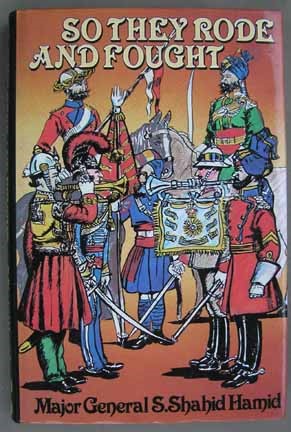
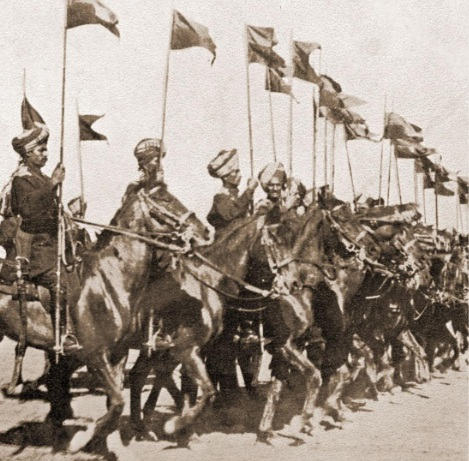
On commissioning, 2/Lt S.S. Hamid (the British were great with initials) served for a year on probation with a British battalion, which was the standard procedure for all Indian officers, before he was “accepted” by the 3rd Cavalry Regiment. The history of 3rd Cavalry reached back to the 1840s and in the 1930s it was one of the first cavalry regiments selected for “Indianization”: a process whereby Indian officers were being gradually inducted into the Army. After his retirement, my father wrote a book on the days of the horse mounted cavalry regiments of the British Indian Army “So They Rode and Fought”, covering the history and exploits of the Cavalry Regiments of the Indian Army and their way of life; the sport and social aspects. Judging by this account, he enjoyed his early career in 3rd Cavalry.
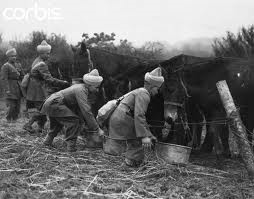
However there were dark clouds on the horizon. In the words of my father, “3rd Cavalry was not a happy regiment and the officers were a mixed bunch who didn’t get along well with each other”. In addition Lt. Hamid had problems with Commanding Officer (CO). My father played a good hand of Bridge and while serving with the regiment in Allahbad, he was regularly invited to the Brigade Commander’s residence for an evening of cards. The CO who was seldom extended this privilege, became increasingly jealous of this young ‘Indian’ officer and life became difficult for my father. In that era, COs had long tenures and considering it impossible to serve under this CO, my father applied for a transfer to the Army Service Corps which had vacancies for Indian officers. In the hierarchy of the Army the Horsed Cavalry was at the top and the Army Service Corps, a mule based supply branch of the Indian Army near the bottom. For this reason the Royal Indian Army Service Corps was known as the “Rice Corps” from its initials of RIASC.
From horses to mules
It must have been a great comedown for a young cavalry officer but it was Gods providence and a mother’s prayer that saved my father from the unspeakable horrors of a Japanese POW camp. In 1941, 3rd Cavalry was shipped to Malaya to stem the unstoppable advance by the Japanese. The Regiment was captured at the fall of Singapore and went into captivity until the end of the war. It was a narrow escape as many who survived the harsh treatment as Japanese POWs were scarred for the rest of their life.
Before the Second World War the focus of the British Indian Army was the Tribal Wars in the North West Frontier Province of India and my father commanded a mule company at Kohat and Fort Sandmen. During this period he was promoted captain and married just after the breakout of the Second World War. He was then transferred to Risalpur, to command a transport company of the newly raised 1st Indian Armoured Division. He considered this a great honor and was looking forward to moving with the formation to North Africa, when suddenly the division was broken up and deployed in different theaters, and he was posted to Burma.
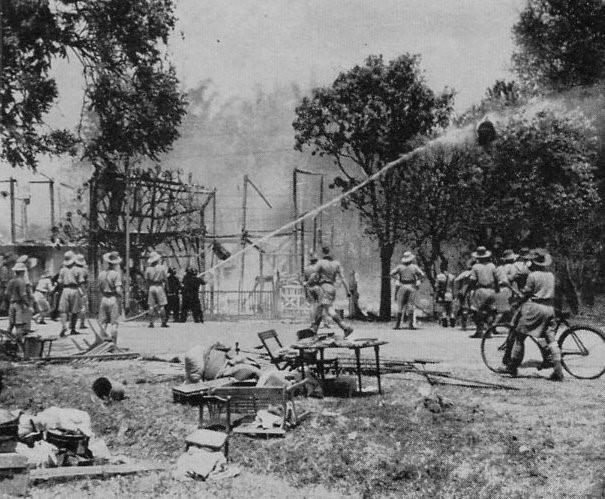
In January 1942, the Japanese 15th Army attacked southern Burma from Thailand and made a rapid advance northwards towards Rangoon. It was in these chaotic circumstances that Capt S.S. Hamid arrived at the Headquarter of the Burma Army. In fact his ship docked in the middle of a Japanese air raid on the warehouses surrounding the harbor.
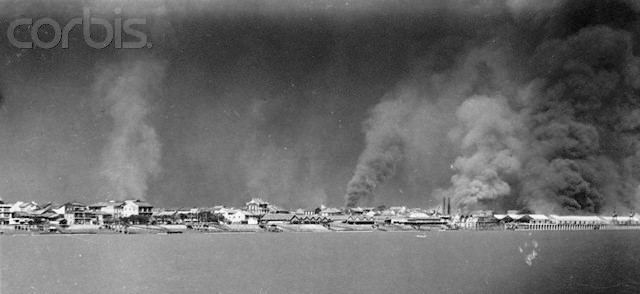
Waterfront Fires in Rangoon — the docks and oil refineries burn
The headquarters of the Burma Army acted both as a theater headquarters as well as a corps headquarter without any of the organizational or administrative structure to support either of the roles. Under these circumstances Capt S.S. Hamid who was appointed as Staff Captain found himself performing many divergent tasks.
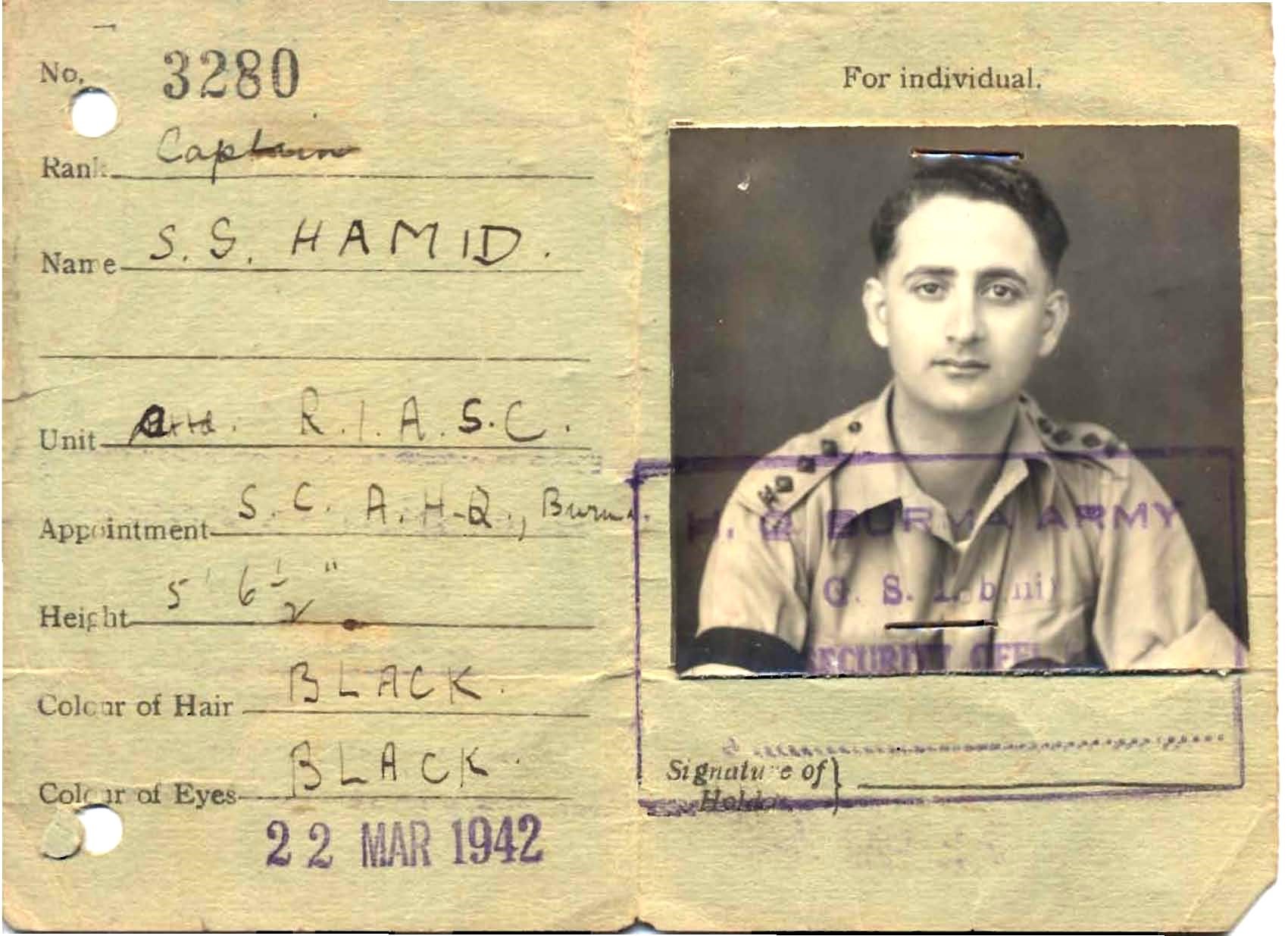
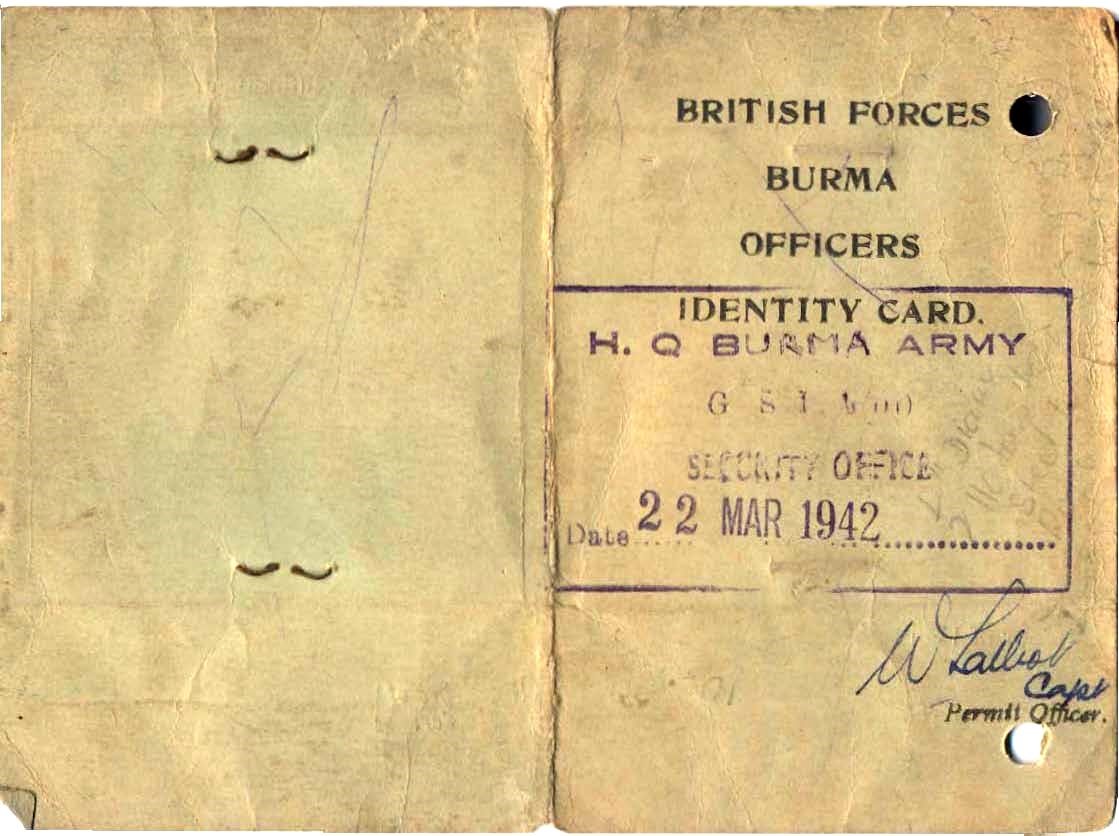
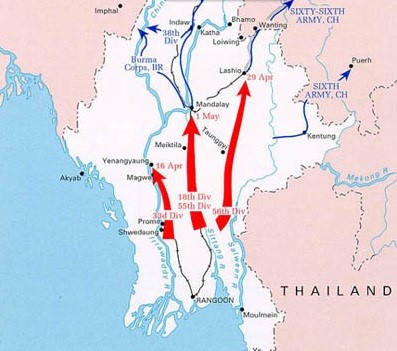
The Japanese advance to Mandalay
For the defense of Burma, the British rushed in troops that had either been trained for the Tribal Wars or more recently for operations in the North African Desert. Grouped under ad hoc division headquarters and untrained in jungle warfare they tried to stem the Japanese advance but finally as the Japanese closed in on Rangoon, the British decided to abandon the City and retreat northwards.
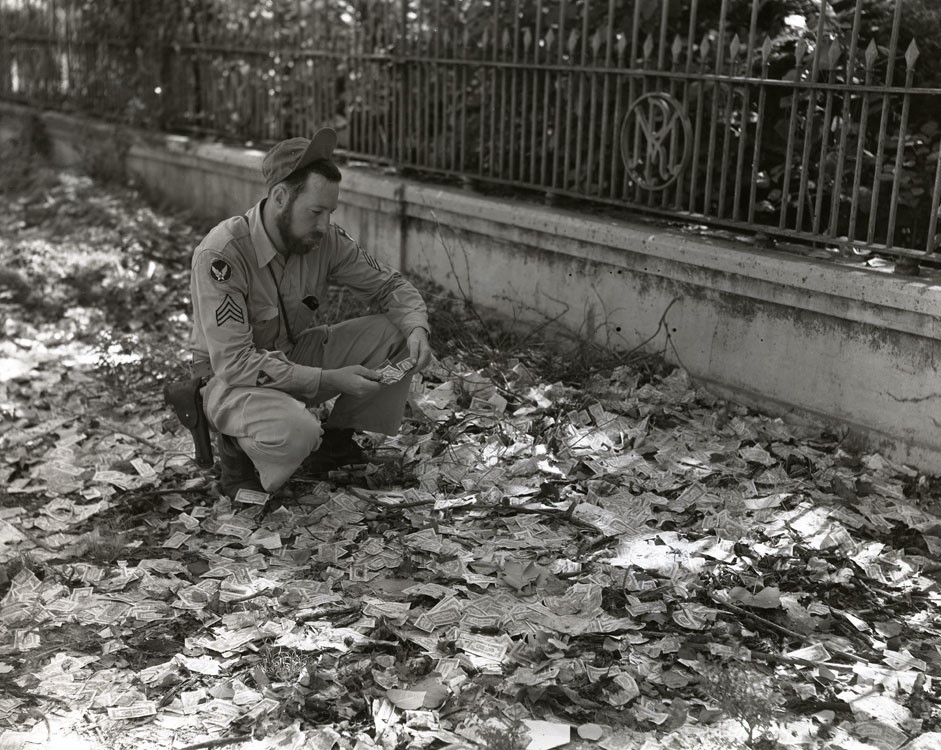
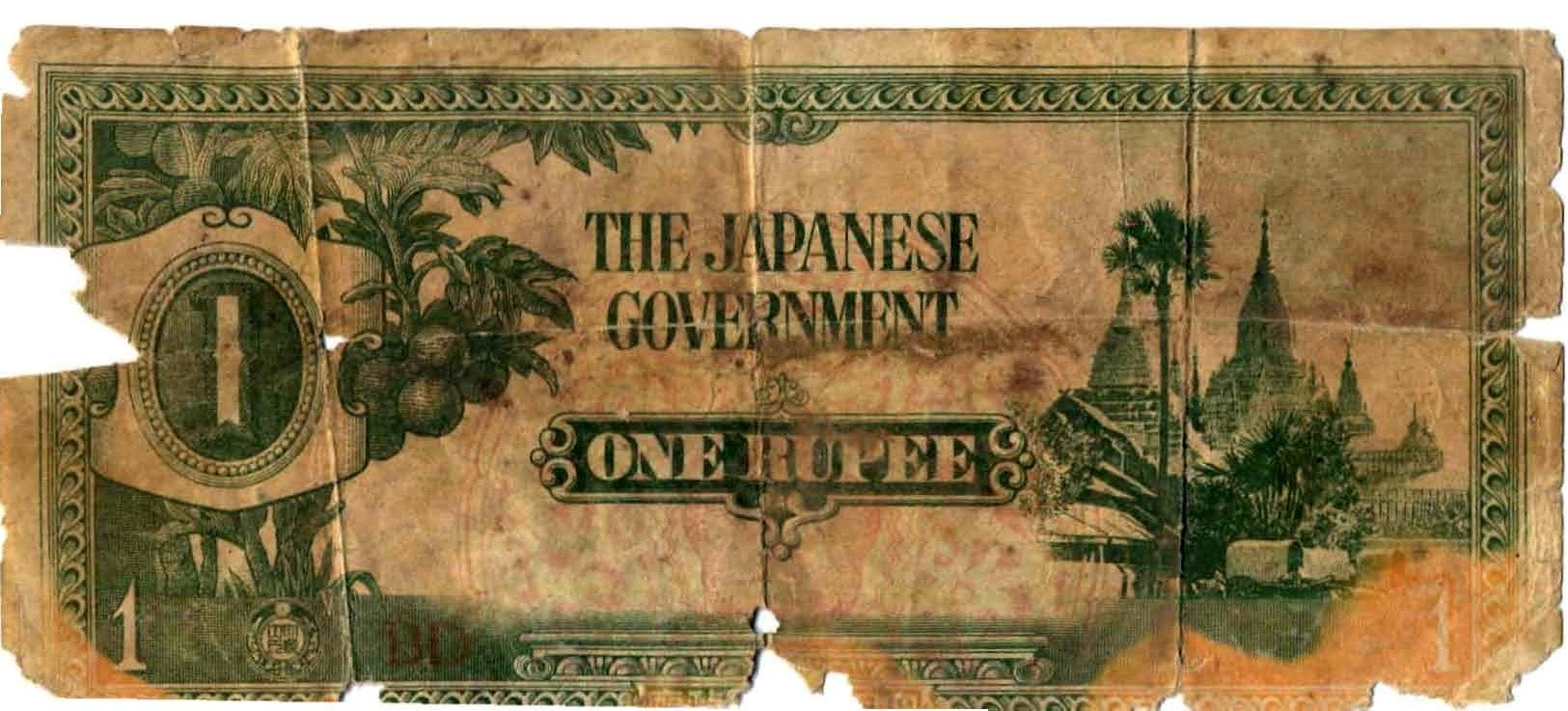
The retreat was conducted in very difficult circumstances. Experts in Jungle Warfare, the Japanese were anywhere and everywhere, gliding through the jungle by day and night, outflanking delaying positions and ambushing retreating troop columns. The primitive roads and tracks leading to India were clogged with the sick and wounded, disorganized stragglers and starving refugees. I remember my father telling us about Burmese civilians begging to exchange a fist full of rubies for a fist full of rice. He also recollected that the retreating troops used to put mules in the lead because they could smell the presence of Japanese waiting in ambush and do what mules did best; freeze in their tracks.
My father was one of seven children, and while it was a close knit family, he was the apple of his mother’s eye. All through those months he was in Burma, my grandmother daily offered her five mandatory prayers and more on the gravel of the driveway to the house in Bhopal. Islam spread in the subcontinent not through the sword but by the words and deeds of Sufi saints of whom Muinuddin Chisti is one of the most revered not only by the Muslims but also by people of other faiths. My grandmother travelled to his shrine at Ajmer in Rajasthan on a pilgrimage to pray for her son’s safe return.
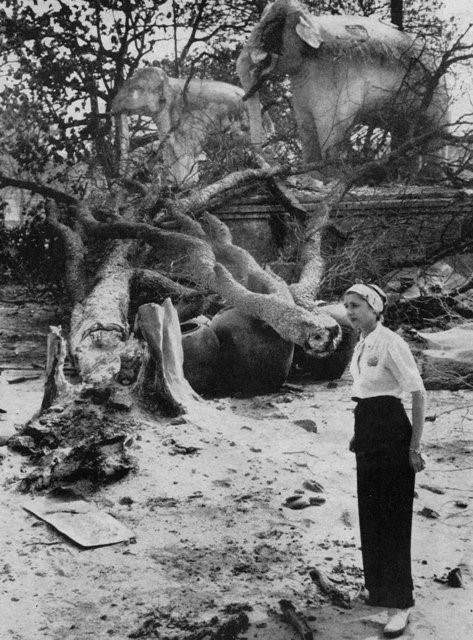
Delaying the Japanese advance towards India until May 1942 was vital as that was the month in which the monsoon was expected and few believed that the Japanese could continue their advance in the monsoon. The Allies tried to hold a line south of Mandalay. My father was constantly on the move, flying in DC-3 Dakotas on supply missions to encircled troops, at other time visiting forward units and reporting back to the headquarters the situation on ground, state of supplies and other operational aspects. The remnants of the British Air Force had been withdrawn to India and the Japanese bomber fleets now unopposed, were attacking every major town and city in the Allied-held part of Burma, causing widespread destruction and disorder.